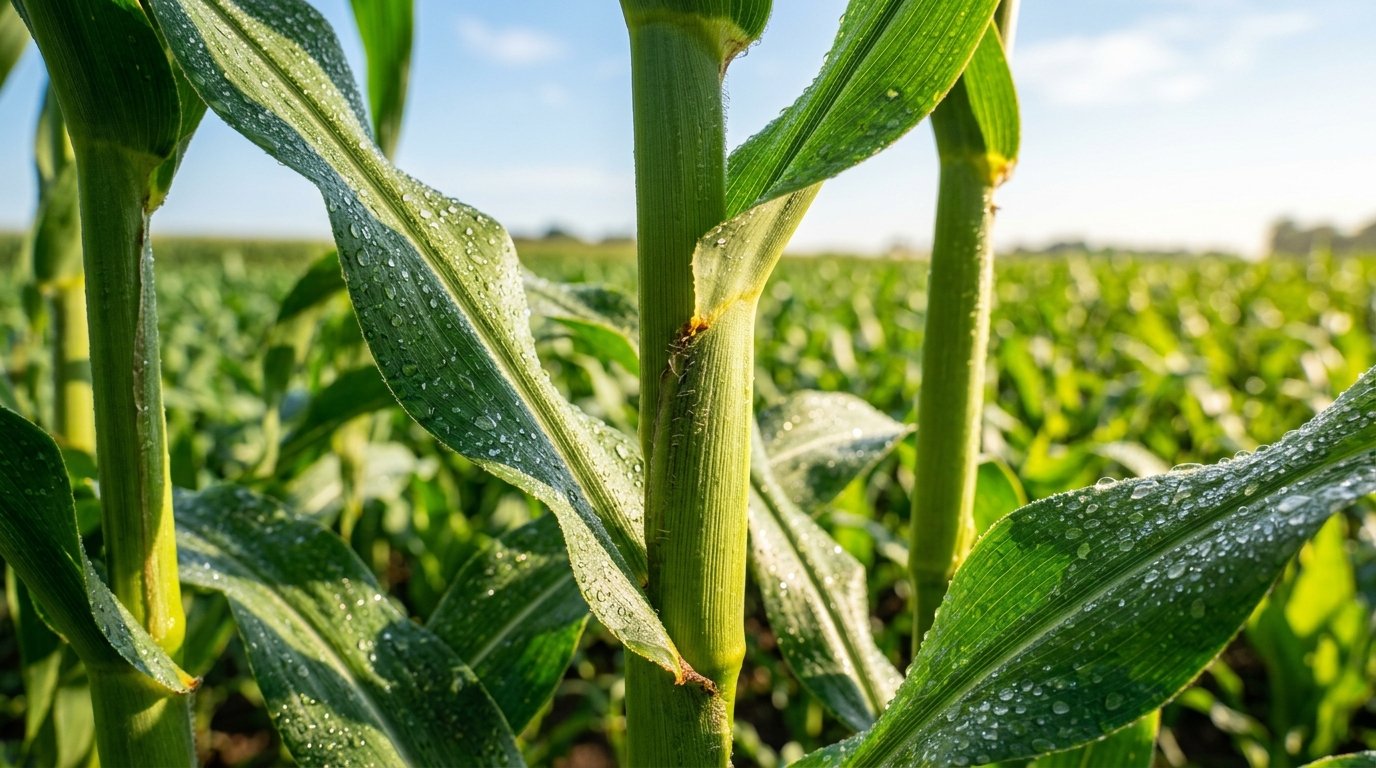
Historically overlooked in conventional NPK fertilization programs, Silicon (Si) is now recognized by agricultural scientists worldwide as a functional quasi-essential element that provides crops with mechanical and biochemical resistance against environmental stresses.
Under climate conditions where Indian agriculture faces scorching summer temperatures exceeding 42°C, unseasonal dry spells, and mounting pest resistance to chemical insecticides, silicon offers a safe, sustainable structural defense.
Biochemical Mode of Action: The Double Silica Layer
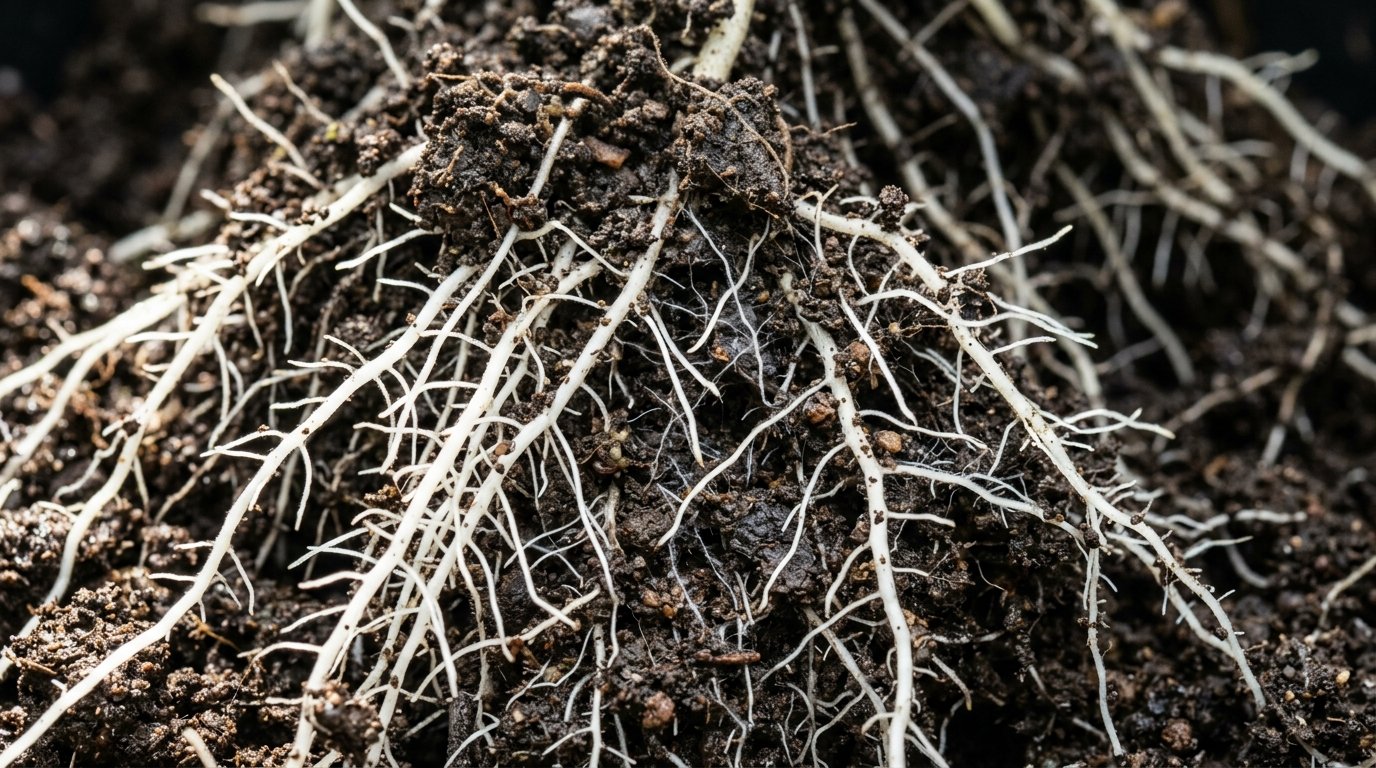
When plant roots absorb bio-available monosilicic acid, it is transported via the xylem to transpiring tissues. As water evaporates, the silicic acid polymerizes into rigid amorphous silica gel within the cell walls of the epidermis and vascular bundles. This creates a continuous, hardened "silica-cellulose double layer" on leaves and stems.
Triple Protection Mechanism in the Field
- Mechanical Insect Deterrence: Sucking and chewing pests struggle to penetrate silicon-fortified plant cuticle. The abrasive phytoliths in plant tissue wear down insect mouthparts, significantly reducing pest feeding and reproduction.
- Thermal & Drought Tolerance: The thickened epidermal layer reduces cuticular transpiration water loss by up to 25%. This prevents daytime wilting and cools crop canopies during intense heatwaves.
- Stem Strength & Anti-Lodging: In heavy-stalk crops like sugarcane, paddy, and wheat, silicon thickens the culm wall and rind, preventing devastating crop lodging caused by late-season winds.
- Antifungal Physical Barrier: Physical penetration of fungal hyphae (such as powdery mildew, blast, and sheath blight) is physically impeded by rigid silica deposits.
"Think of silicon as structural rebar inside concrete. It transforms soft, vulnerable vegetative tissues into a fortified fortress against environmental shock."
Recommended Program
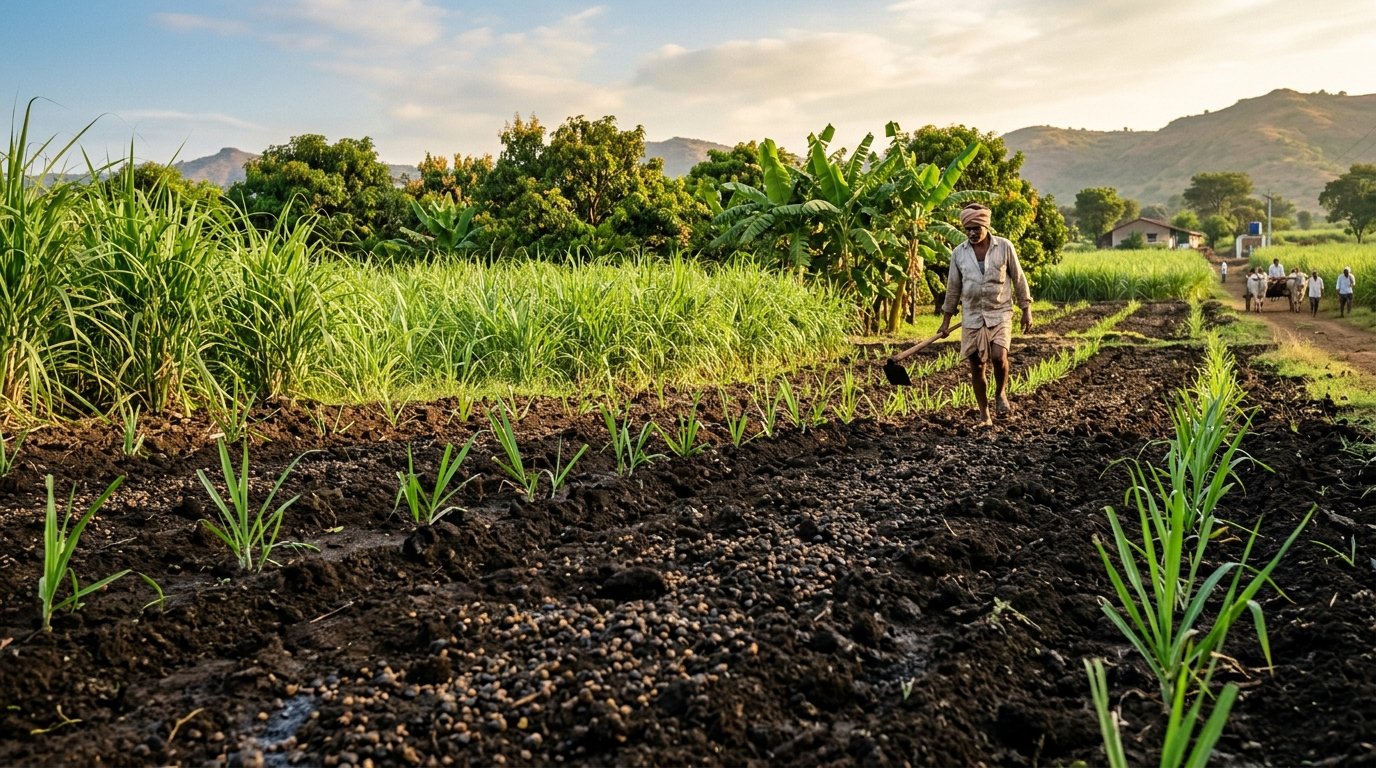
Apply bio-available silicon granules at 25 kg to 50 kg per acre as a basal dressing or side-dressing during early vegetative development. Silicon is particularly beneficial for sugarcane, paddy, banana, ginger, turmeric, grapes, and solanaceous vegetables.